Dopamine dressing isn’t about chasing trends. It’s about using color, texture, and personal style to influence how you feel.
When people search “dopamine dressing,” they’re rarely looking for fashion rules. They’re trying to understand why clothing suddenly feels tied to mood, energy, and emotional self-regulation. The dopamine dressing search trend comes up during moments of stress, transition, or fatigue, when people want something small they can control that still feels meaningful.
The spike in searches suggests people are curious whether what they wear can actually change their mental state, or at least their momentum for the day.
What Dopamine Dressing Means (Without the Buzzwords)
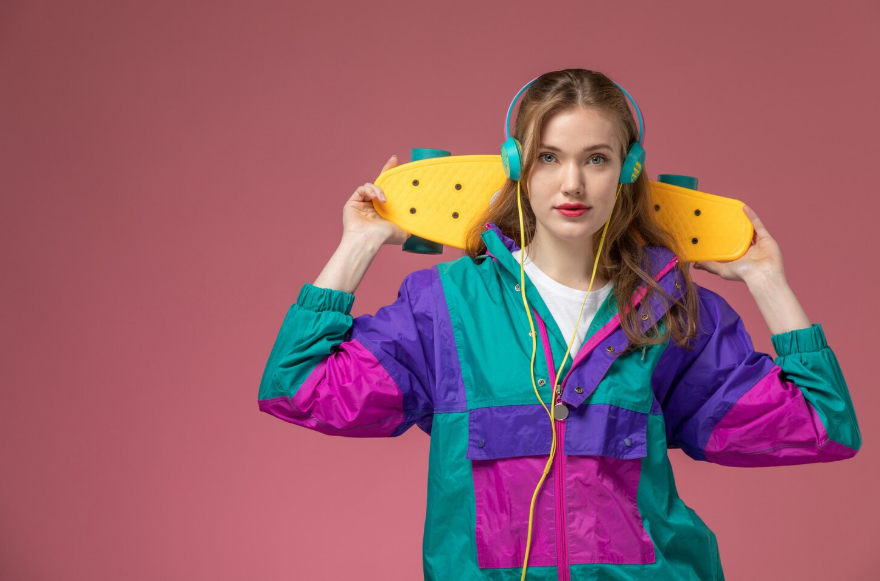
At its simplest, dopamine dressing refers to choosing clothes that trigger positive emotional responses. Bright colors, playful patterns, nostalgic pieces, or outfits tied to good memories all qualify. The goal isn’t aesthetic coherence; it’s emotional payoff.
Search behavior shows confusion around the term because it sounds scientific but is used casually. People want to know if it’s legitimate psychology or just a catchy label. The answer sits somewhere in between. While clothing doesn’t directly release dopamine on demand, it can influence mood through association, confidence, and sensory input.
The appeal lies in agency. When larger circumstances feel uncontrollable, outfit choices offer a low-risk way to reclaim emotional direction.
Explore The Rise of ‘Main Character Energy’: A Search Trend About Identity for self-expression patterns.
Why the Trend Took Hold When It Did
The timing of dopamine dressing matters. Searches rose during periods marked by uncertainty, remote work, and blurred boundaries between personal and professional life. When routines collapsed, clothing lost its traditional signaling role and gained a psychological one.
People began asking what clothes were for if no one else was around. Dopamine dressing reframed the answer: clothes could be for the wearer alone. That shift made style feel personal again instead of performative.
Searches reflect this reframing. Instead of asking what’s fashionable, people ask what feels good. That distinction signals a broader cultural move toward internal validation.
See ‘Soft Life’ Explained: Why It’s a Persistent Search Trend for comfort-seeking lifestyle reframing.
How Dopamine Dressing Shows Up in Everyday Style
In practice, dopamine dressing looks different for everyone. For some, it’s wearing bold colors that feel energizing. For others, it’s returning to familiar silhouettes that feel safe and grounding.
Search trends show people looking for examples because the concept resists standardization. What boosts one person’s mood might overwhelm another. That’s part of the appeal. Dopamine dressing encourages intuition over instruction.
The trend also legitimizes playfulness. Clothing doesn’t have to be efficient, flattering, or subtle to be worthwhile. It just has to feel right.
Read The Meaning Behind the Search Boom for ‘Attachment Styles’ for language-based self-understanding trends.
Simple Ways People Try It (Without Overthinking)
Many searches include phrases like “how to try dopamine dressing” or “dopamine dressing ideas,” suggesting people want permission more than guidance. The most common approaches are surprisingly modest.
People start by adding one element that feels joyful: an unexpected color, a favorite accessory, or a texture they enjoy touching. Others rotate outfits associated with positive memories, such as trips or milestones.
The key isn’t commitment. It’s experimentation. Dopamine dressing works because it’s optional and reversible, not prescriptive.
What the Trend Says About Mental Health Conversations
The popularity of dopamine dressing reflects how mental health language has entered everyday life. People are more comfortable discussing mood, burnout, and emotional regulation, but they want tools that feel accessible.
Clothing becomes a bridge between internal states and external action. It’s easier to change an outfit than overhaul a lifestyle. Searches show people looking for incremental improvements rather than transformations.
This doesn’t mean dopamine dressing replaces deeper support. It means people are layering small coping strategies where they can.
Learn The Psychology of ‘Doomscrolling’ and Why It Keeps Us Hooked for emotional regulation insights.
Why People Keep Searching for the Term
Dopamine dressing stays searchable because it’s flexible. It doesn’t demand expertise, money, or identity shifts. It offers a way to feel slightly better now.
Search engines capture this need clearly. People aren’t searching for perfection. They’re searching for relief, expression, and permission to prioritize feeling good in small, visible ways.
In that sense, dopamine dressing isn’t really about fashion at all. It’s about mood management in a world that feels emotionally demanding.