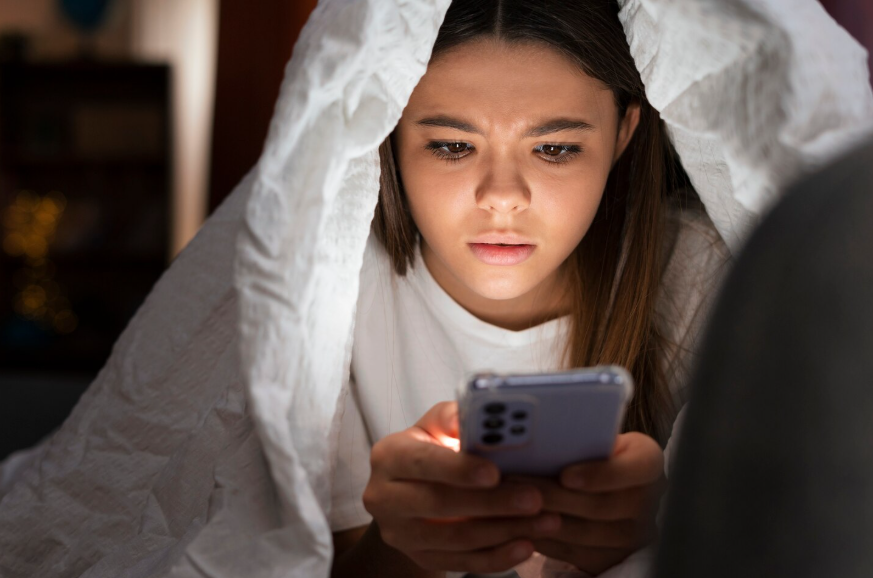

“Sleepmaxxing” promises control in an area that often feels stubbornly out of reach.
When people search is “sleepmaxxing” legit or just hype, they’re not just trying to get more sleep. They’re trying to optimize it by treating rest as a performance variable that can be tweaked, stacked, and improved. The term blends wellness culture with productivity language, revealing how deeply sleep has become tied to output and self-improvement.
Search behavior suggests equal parts exhaustion and ambition. People feel tired, but they also feel responsible for fixing that tiredness efficiently.
What People Mean by “Sleepmaxxing”
In practice, sleepmaxxing refers to using tools, habits, and supplements to engineer better sleep. This might include strict routines, wearable trackers, blackout curtains, mouth tape, magnesium, temperature control, or morning light exposure.
Searchers often encounter the term through social media, where it’s framed as a system. The appeal is structure. Instead of vague advice to “get more rest,” Sleepmaxxing offers steps and metrics.
What people are really asking is whether sleep can be mastered or at least improved predictably through effort.
Explore Why We Google Symptoms (and Why It Often Backfires) for insights on health anxiety searches.
Why the Term Took Off Now
The timing reflects chronic sleep deprivation colliding with performance culture. Remote work blurred schedules, screens extended into nights, and stress stayed constant. Sleep quality declined even when sleep time remained the same.
Search trends show people looking for fixes that don’t require significant life changes. Sleepmaxxing fits that need. It suggests you can sleep better without changing jobs, relationships, or responsibilities.
The trend also aligns with quantification. As more people track sleep, they start trying to “improve the numbers.”
Read Why ‘How to Be Motivated’ Is Always Trending to understand self-optimization habits.
What’s Legit in Sleepmaxxing Advice
Some elements consistently appear in credible guidance. Regular sleep and wake times, morning light exposure, reduced evening screen brightness, and cooler bedroom temperatures all show up repeatedly.
Search behavior reflects interest in these fundamentals, even when wrapped in trend language. People want confirmation that basics matter more than hacks.
These practices work because they support the circadian rhythm rather than override it. They’re unglamorous, but reliable.
Where the Hype Creeps In
Hype enters when optimization turns extreme. Searches often include questions about supplements, rigid routines, or costly devices promising dramatic gains.
This reflects a familiar wellness pattern: when basics help but don’t solve everything, people look for add-ons. The risk is turning sleep into another performance arena.
Searchers often ask whether they’re “doing it wrong,” indicating anxiety rather than rest. That’s where sleepmaxxing can backfire.
See The Psychology of ‘Doomscrolling’ and Why It Keeps Us Hooked for stress-driven digital habits.
The Pressure to Perfect Rest
Ironically, the drive to optimize sleep can increase sleep anxiety. People obsessively monitor metrics, worry about one bad night, and catastrophize normal variation.
Search behavior shows this tension clearly. Queries move from “how to sleep better” to “why can’t I sleep even when I do everything right?”
Sleepmaxxing becomes stressful when rest turns into a test.
What the Trend Reveals About Modern Wellness
The popularity of sleepmaxxing reveals a desire for control over depletion. People accept that they’re tired, but they don’t accept that tiredness should be tolerated.
At the same time, the trend exposes how wellness has absorbed productivity logic. Rest is framed as fuel rather than recovery.
Search engines capture this contradiction. People want better sleep, but they also want permission to stop optimizing it.
Check Why ‘Mediterranean Diet’ Never Stops Trending in Search to compare sustainable wellness trends.
A More Grounded Way to Interpret the Trend
Most people searching “sleepmaxxing” aren’t chasing perfection. They’re looking for reassurance that small changes matter.
The healthiest interpretation strips away hype and keeps the basics. Sleep improves through consistency, not intensity.
Ultimately, sleepmaxxing trends because people are tired and still hope rest can be something they reclaim, not just endure.