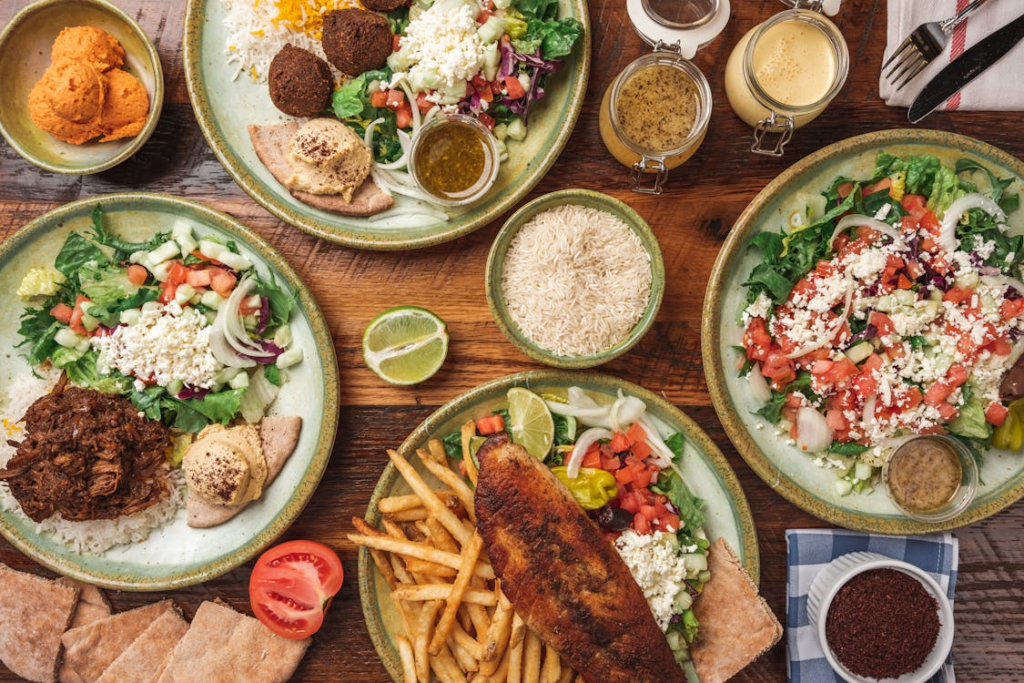

Search behavior shows people trying to solve multiple problems at once: staying full longer, avoiding energy crashes, supporting fitness goals, and simplifying decisions. Protein becomes the lever that promises all of that in one move.
When people search “high protein breakfast,” they’re rarely just looking for recipes. The high-protein breakfast search trend reflects a broader shift in how people think about energy, appetite, and control at the start of the day. Breakfast has become strategic, less about tradition and more about setting the tone for productivity, focus, and restraint.
Why Breakfast Became the Focus for Protein
Protein searches cluster around breakfast because it feels like the most influential meal. People believe that what they eat first determines how the rest of the day unfolds.
Search trends often pair “high protein breakfast” with terms like “stay full,” “no cravings,” or “weight loss,” revealing a desire for appetite control rather than indulgence. Breakfast is treated as prevention.
This reflects a mindset shift. Instead of reacting to hunger later, people want to front-load stability.
Explore What the Popularity of ‘Water Fasting’ Searches Says About Wellness Culture for control-driven eating patterns.
What People Expect Protein to Do
Protein has gained a reputation as the most reliable macronutrient. Searchers expect it to blunt hunger, preserve muscle, and support mental clarity.
The popularity of the term suggests people want predictability. Carbohydrates feel volatile. Protein feels steady. Even when the science is nuanced, the perception remains powerful.
Search engines capture this belief clearly. People aren’t asking whether protein matters; they’re asking how to get enough of it early.
See Why ‘Mediterranean Diet’ Never Stops Trending in Search for stability-focused nutrition habits.
The Influence of Fitness and Wellness Culture
Fitness content heavily reinforces protein-first thinking. Searches spike alongside workout routines, body recomposition goals, and discussions of metabolic health.
High-protein breakfasts are framed as efficient. They promise results without constant tracking. That efficiency appeals to people juggling work, stress, and limited attention.
Search behavior shows wellness culture favoring habits that feel disciplined but manageable.
Convenience and the Search for Easy Wins
Many searches include qualifiers like “quick,” “easy,” or “on the go.” This reveals a practical constraint. People want the benefits of protein without complicated prep.
This demand fuels interest in eggs, Greek yogurt, protein shakes, and simple combinations. The meal doesn’t need to be exciting; it needs to work.
Searchers aren’t optimizing for pleasure. They’re optimizing for reliability.
Read Why ‘Sleepmaxxing’ Became a Thing and What’s Legit vs. Hype for optimization-driven wellness behavior.
Weight Loss vs. Energy Stability
While weight loss remains a driver, search patterns suggest another priority: energy stability. People want fewer crashes and less snacking.
High-protein breakfasts are seen as a way to smooth the day. The goal isn’t necessarily to eat less overall; it’s to think about food less often.
Search behavior reflects fatigue with constant hunger cues.
Why This Search Isn’t a Fad
Unlike diet trends that cycle quickly, “high protein breakfast” remains steady. It adapts to different goals, such as fitness, longevity, blood sugar, or focus.
The term persists because it’s modular. It fits keto, low-carb, balanced, and flexible approaches without requiring identity shifts.
Search engines show people returning to it as a baseline habit rather than a temporary fix.
Check Why People Want When They Search ‘Best AI for…’ for efficiency-seeking decision shortcuts.
What the Trend Ultimately Signals
The popularity of “high protein breakfast” signals a desire for calmer days. People want meals that reduce decision-making and stabilize energy.
Protein becomes symbolic. It represents structure in a day that often feels fragmented.
In that sense, the search isn’t really about breakfast. It’s about starting the day feeling anchored instead of reactive.