
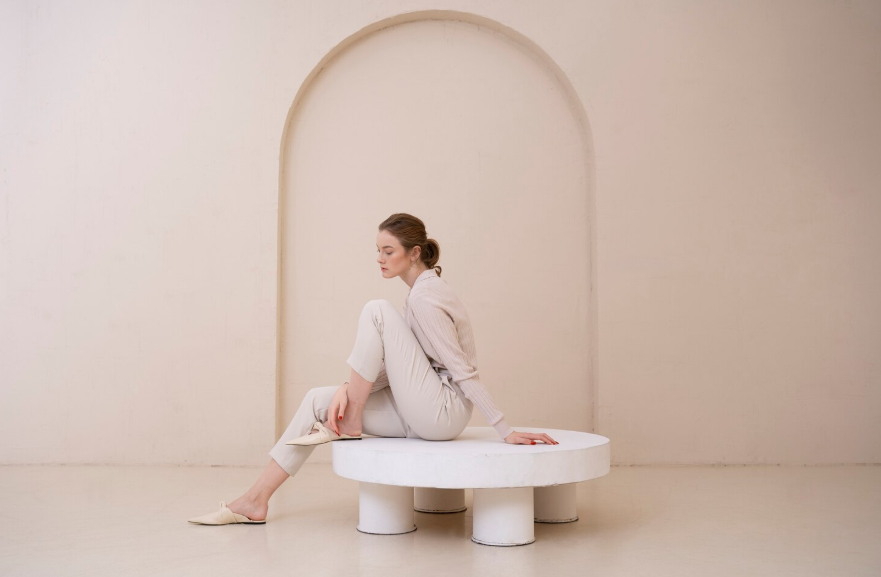
The quiet luxury search trend suggests people are curious not just about what it is, but why it suddenly feels relevant.
When people search “quiet luxury,” they’re usually not looking for a brand list or a shopping guide. They’re trying to understand a feeling they’re seeing everywhere but can’t quite name. The phrase signals a shift in how status, taste, and aspiration are expressed, from logos and spectacle to restraint and subtle cues.
At its core, quiet luxury refers to understated quality. It prioritizes craftsmanship, longevity, and materials over visibility. The appeal isn’t about showing wealth, but about signaling discernment.
What “Quiet Luxury” Actually Signals Socially
Socially, quiet luxury functions as a reaction to excess. After years of loud branding, influencer culture, and performative consumption, there’s growing fatigue around obvious displays of status. Quiet luxury flips the script by making recognition optional and often invisible to outsiders.
This trend also reflects shifting definitions of success. In an era where attention feels saturated, privacy and understatement become aspirational. The person who doesn’t need to explain their taste or broadcast it appears more confident. Searchers are trying to decode this new social language.
Quiet luxury also operates as cultural shorthand. It suggests stability, self-control, and long-term thinking. In uncertain economic or political moments, these traits carry emotional weight. The rise in searches suggests people are seeking ways to feel grounded and composed amid the noise.
Explore Why Everyone Searches ‘How to Raise Your Credit Score Fast’ for control-seeking searches.
How Quiet Luxury Shows Up in Fashion
In fashion, quiet luxury shows up through silhouettes and materials rather than logos. Neutral palettes, classic tailoring, and high-quality fabrics dominate the aesthetic. Items are often recognizable only to those who know what to look for.
Search interest surged as people noticed celebrities and media figures adopting this look without overt explanation. Instead of trend-driven pieces, the focus is on timeless garments that resist the rapid cycles of fashion. This aligns with a broader desire for fewer, better choices.
Importantly, quiet luxury isn’t anti-fashion. It’s a fashion that minimizes trend anxiety. People searching for the term are often trying to understand how to elevate style without it feeling performative or exhausting.
Learn What Is ‘Dopamine Dressing?’ The Style Trend People Keep Looking Up for insights on personal style.
Interior Design and the Rise of Subtle Affluence
In interiors, quiet luxury emphasizes space, texture, and light. Clean lines, natural materials, and muted tones create environments that feel calm rather than impressive. The design communicates comfort and permanence rather than novelty.
Searches spike as people encounter these spaces online or in real life and want language for what they’re seeing. The absence of ornament becomes the point. Everything looks intentional, but nothing demands attention.
This approach reflects changing values around home life. As homes take on greater emotional importance, people want spaces that reduce stimulation rather than increase it. Quiet luxury offers an aesthetic solution to mental overload.
Read How to Search Travel Like a Pro (Cheaper, Safer, Better Planning) for aspirational escape planning.
Branding Without the Volume Knob Turned Up
Brands embracing quiet luxury tend to minimize messaging. Logos shrink or disappear. Packaging becomes simple. Storytelling focuses on heritage, process, or material quality rather than hype.
Search behavior shows people trying to understand why some brands feel “elevated” without obvious marketing. The answer lies in constraint. By saying less, brands invite interpretation rather than instruction.
This strategy also builds trust. In a crowded attention economy, restraint reads as confidence. Quiet luxury branding suggests the product doesn’t need persuasion; it just needs to exist.
Check Why Nostalgia Searches Explode Every Few Years for comfort-seeking queries during uncertainty.
Why the Term Took Off Now
The timing of the quiet luxury search boom matters. It coincides with cultural fatigue around extremes: extreme opinions, extreme aesthetics, extreme optimization. People aren’t necessarily rejecting ambition; they’re rejecting noise.
Search interest reveals curiosity about how to live well without constant signaling. Quiet luxury becomes a conceptual anchor for that question. It offers a way to opt out of visual shouting without sacrificing quality or care.
Ultimately, people searching for “quiet luxury” are searching for a calmer form of aspiration. One that feels sustainable, personal, and less exposed.