
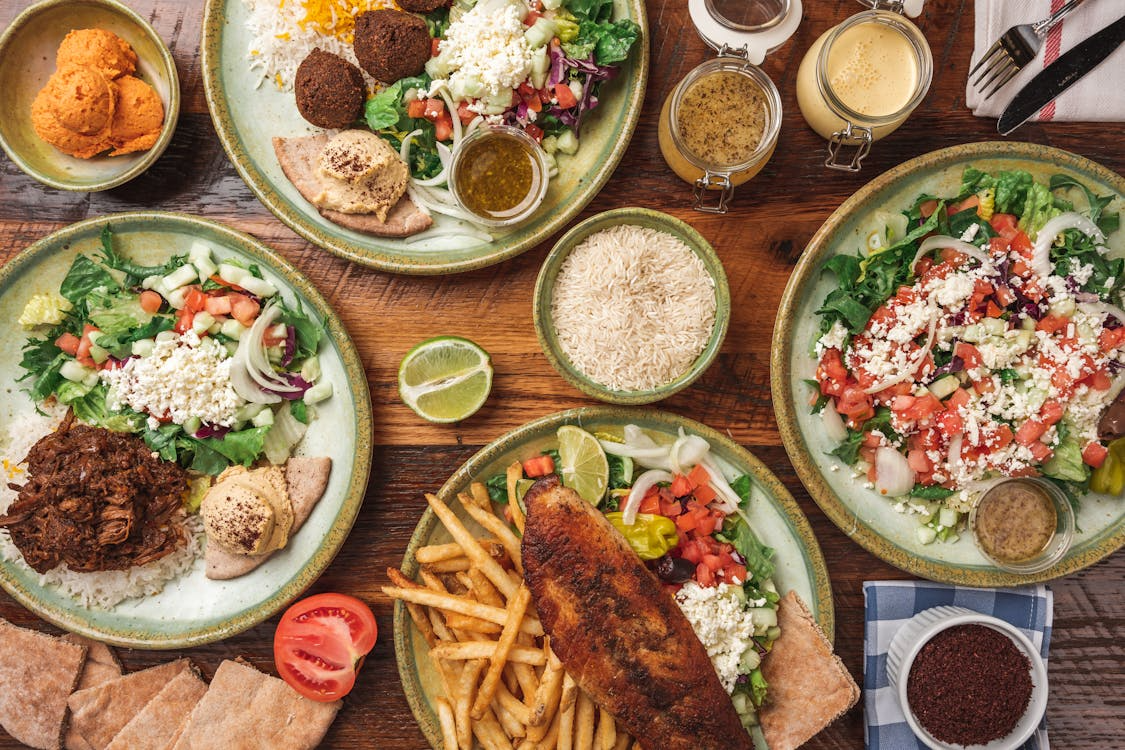
Unlike flash diets that spike and vanish, this one persists because it answers a quieter question: how to eat well without constantly starting over.
When people search “Mediterranean diet,” they’re rarely chasing a new trend. The term keeps resurfacing because it occupies a unique space in wellness culture: familiar but flexible, healthy without feeling extreme.
Search behavior suggests people return to the Mediterranean diet when they feel overwhelmed by conflicting nutrition advice. The query often appears alongside words like “simple,” “beginner,” or “meal ideas,” indicating a desire for clarity rather than optimization.
What People Actually Mean by “Mediterranean Diet”
Most searchers aren’t asking for a strict plan. They’re asking for a framework. The Mediterranean diet is less a prescription and more a pattern, centered on vegetables, whole grains, healthy fats, and moderate portions.
This flexibility is part of its appeal. Searches often include clarifying questions because people want reassurance they’re “doing it right” without rigid rules. The diet’s loose structure lowers the barrier to entry.
Search interest reflects comfort. People recognize the name and associate it with balance rather than deprivation.
Read What the Popularity of ‘Water Fasting’ Searches Says About Wellness Culture for another diet trend.
Why It Feels Trustworthy Compared to Other Diets
The Mediterranean diet benefits from longevity. It’s been referenced for decades, recommended across generations, and rarely rebranded. That consistency builds trust.
Search trends show people returning to it after experimenting with stricter approaches. When short-term fixes fail or feel unsustainable, people look for something calmer.
The diet’s association with lifestyle, not just food, also matters. It implies enjoyment, community, and moderation. Those values resonate when wellness culture feels punishing.
See Why ‘Ozempic’ Became a Top Search Even Beyond Weight Loss to see extreme alternatives.
How Searchers Use It as a Reset Button
People often search for “Mediterranean diet” after periods of excess or burnout. Holidays, health scares, or lifestyle changes trigger the query.
Rather than asking how to lose weight fast, searchers look for a way to reset without shock. The Mediterranean diet feels like a return to normalcy, not a correction.
This pattern explains why searches never disappear. The diet serves as a default option for people who want to start fresh without drama.
Explore Why ‘How to Be Motivated’ Is Always Trending for insight into sustainable habits.
What People Expect It to Fix
Search behavior suggests people expect multiple benefits at once: better heart health, weight stability, improved energy, and longevity. The diet’s reputation as “good for everything” keeps it relevant.
Importantly, people don’t expect instant results. That patience differentiates it from trend diets. The Mediterranean diet aligns with long-term thinking.
Searches reflect a desire for steadiness. People want habits that work quietly in the background.
Beginner Curiosity and Meal Simplicity
A significant portion of searches include phrases like “Mediterranean diet meals” or “easy Mediterranean diet.” This shows that people aren’t intimidated by the concept, but they want it to fit real life.
The emphasis on accessible foods, such as olive oil, vegetables, fish, and grains, makes it feel achievable. Searchers aren’t looking for specialty products; they’re looking for reassurance that everyday meals count.
This practicality keeps search interest high. The diet adapts to different cultures and budgets without losing its identity.
Check The Search Popularity of ‘High Protein Breakfast’ and What It Signals for how nutrition goals evolve.
Why It Outlasts Wellness Cycles
Wellness trends rise and fall, but the Mediterranean diet remains because it doesn’t promise transformation. It promises continuity.
Search engines capture this stability. People come back to the term because it’s familiar, reliable, and flexible enough to evolve with changing needs.
Ultimately, the diet trends not because it’s exciting, but because it’s sustainable. In a culture of constant reinvention, that reliability becomes its own appeal.